
Safety Light Curtains
Compare light-curtain configurations by detection capability, output, housing and documented safety scope; detection-only variants are identified separately.
17 Series: Start with the Required Function
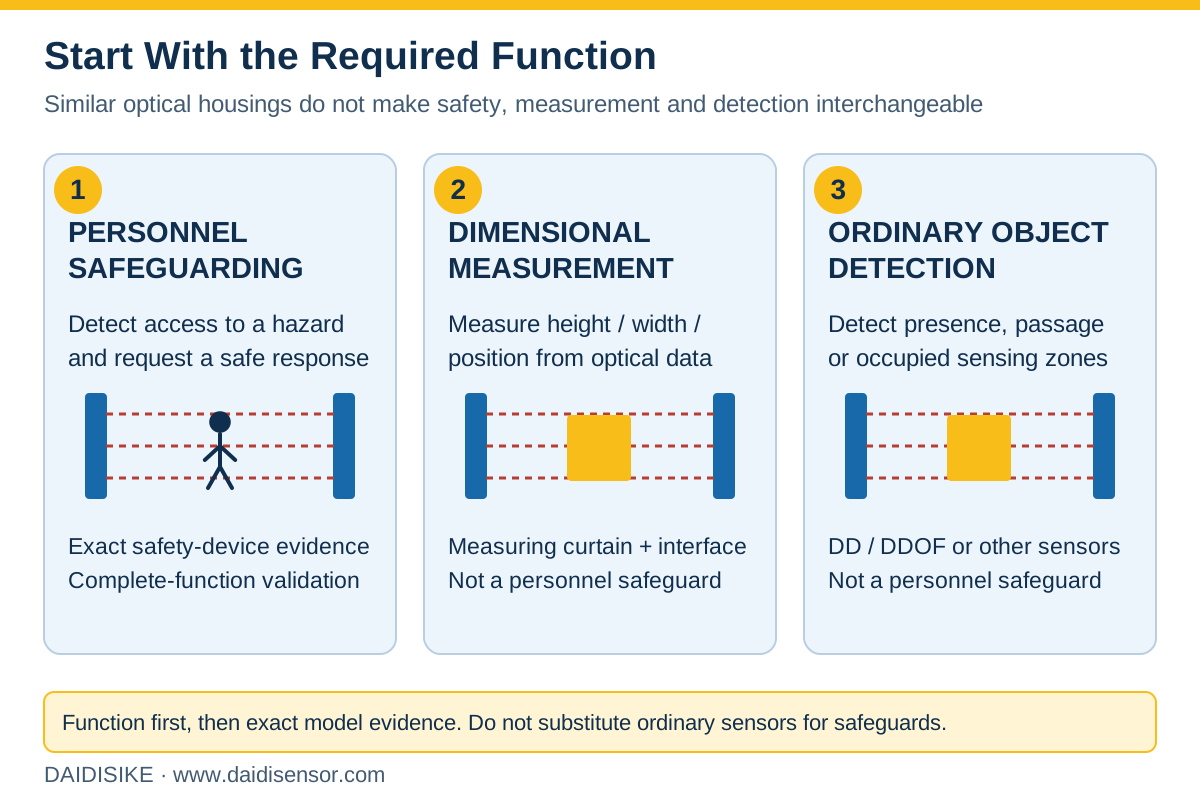
Compare seventeen light-curtain series by the exact configuration you need to order. Personnel-protection equipment must have documented detection capability, safety outputs and an applicable safety rating. This existing catalogue also contains the DD / DDOF single-sided area sensors: they are object-detection products, not personnel-protection devices, despite their position in this directory.
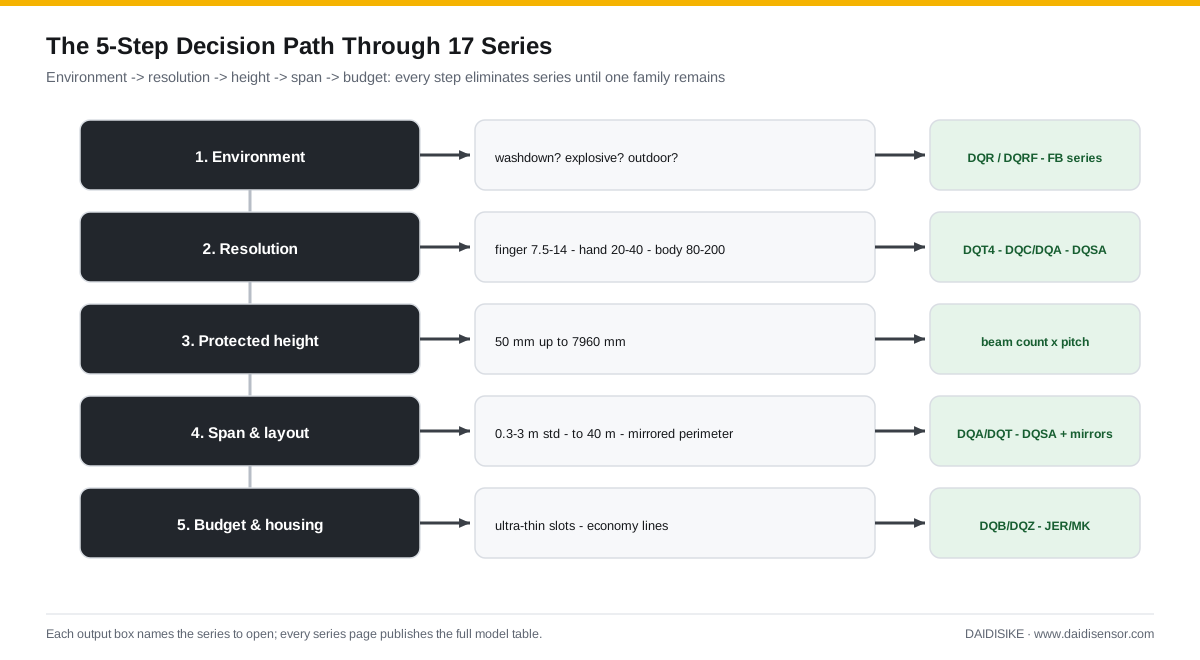
Start with the required function and evidence, then compare environment, minimum detectable object, field height, operating span, housing and output. Keep the selected model code together with its drawings and instructions; a family name or a small beam pitch does not establish a safety rating.
| Required function | Where to start | What to confirm before ordering |
|---|---|---|
| Personnel safeguarding | Compare the safety-related series below and the Type 2 / Type 4 documentation guide | Exact model and output, documented detection capability, required safety performance, full stop circuit and applicable evidence |
| Height, width, profile or count for process control | Measuring light-curtain range | Beam pitch, field height, scan/output method and target conditions; not a substitute for personnel protection |
| Ordinary object or area detection from one side | DD / DDOF diffuse area sensors | Target reflectivity, coverage, response and output; detection-only, even though listed in this directory |
Compare 17 Safety Light Curtains Series
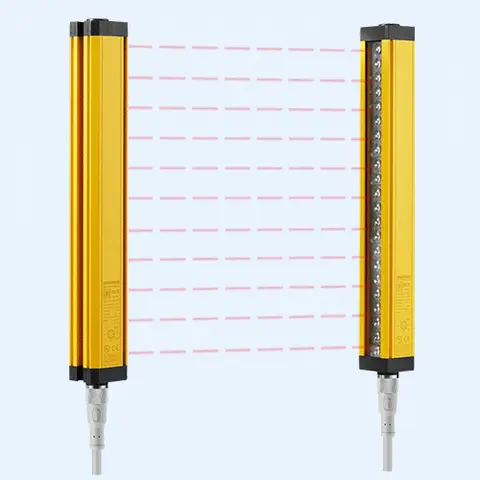
DCE Automation Safety Light Curtain
Compact through-beam safety light curtain in a 30 x 30 mm housing: 10/20/30/40 mm beam pitch, up to 72 beams, 0.3-3 m or 0.3-6 m sensing distance, NPN/PNP output. Catalogue-stated Type 4 design basis; confirm exact safety-document scope.
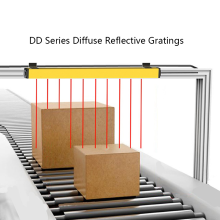
DD / DDOF Single-Sided Area Light Curtain
One housing, no far-side receiver: order DD for diffuse sensing to 2000 mm, or DDOF for per-beam TOF ranging to 4000 mm with zero dead zone and one-key distance teaching. 48 standard models, 4-50 beams.
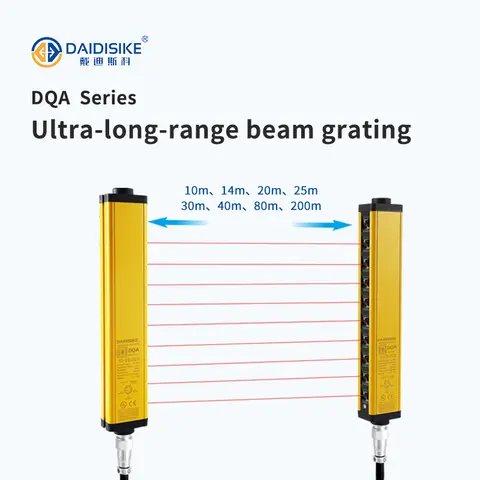
DQA Long-distance Safety Light Curtain
Long-range through-beam safety light curtain for large presses, hydraulic and shearing machines: a transmitter/receiver pair spanning up to 40 m, in 8 beam pitches from 10 to 200 mm, with NPN, PNP or relay output and a selectable single- or dual-output signal. Designed to the Type 4 architecture of IEC 61496 and Category 4 of ISO 13849-1.
DQB Ultra-thin (Side-emitting) Safety Light Curtain
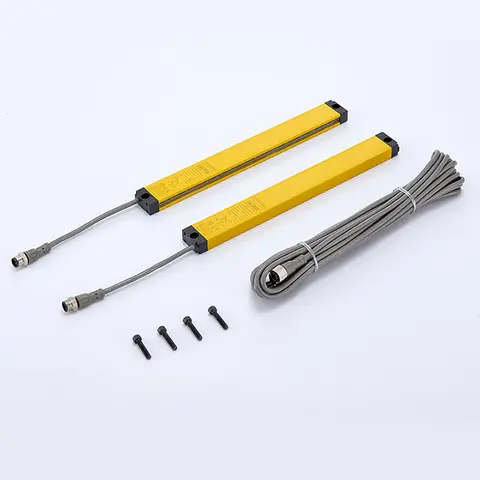
Ultra-thin side-emitting safety light curtain with a 15 x 30 mm cross-section for gaps too narrow for standard units.
DQBT Ultra-thin Optical-sync Safety Light Curtain
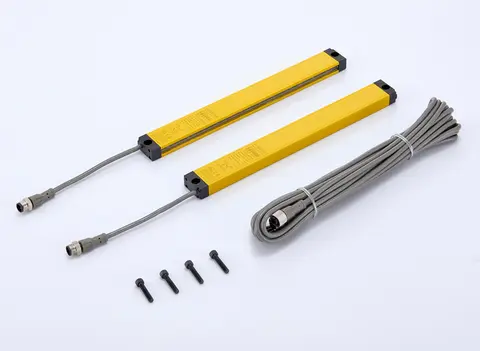
Ultra-thin safety light curtain with optical sync between emitter and receiver — no interconnecting sync cable — in 10/20/40 mm beam pitch, transistor NPN/PNP output, 0.3-3 m detection distance.
DQC General Safety Light Curtain
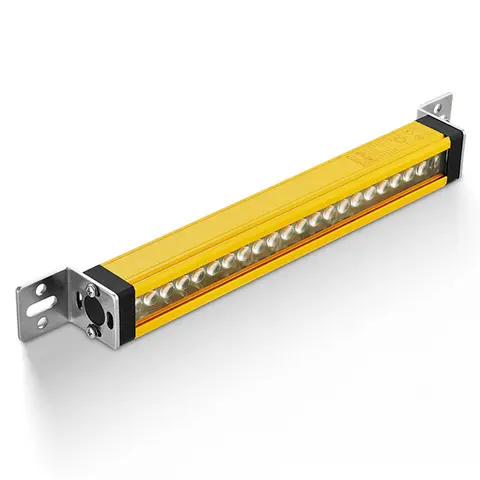
General-purpose through-beam safety light curtain for presses, hydraulic and shearing machines and automatic doors — a transmitter/receiver pair in 8 beam pitches from 10 to 200 mm, standard sensing distance 0.3-3 m or 0.3-6 m, with NPN or PNP output. Catalogue-stated Type 4 / Category 4 design basis; verify the exact configuration's applicable safety documentation.
DQE Safety Light Curtain
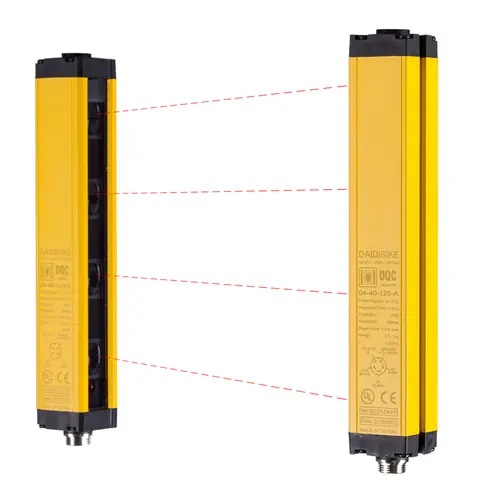
Economical infrared through-beam safety light curtain for presses, hydraulic and shearing machines and automatic doors: a compact 30 x 30 mm transmitter/receiver pair in 5 beam pitches (10/20/40/80/200 mm), standard sensing distance 0.3-3 m, with NPN or PNP output. Designed to the Type 4 architecture of IEC 61496 and Category 4 of ISO 13849-1.
DQO Zero Blind-zone Safety Light Curtain
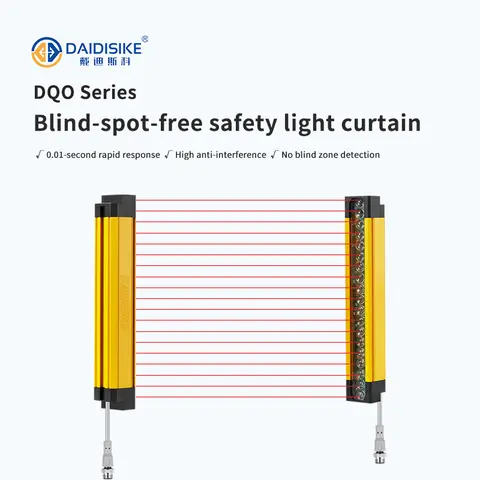
Compact 30x28mm safety light curtain with a near-zero end blind zone: catalog dimensions place the first and last beams only 6.75mm from the housing tips, across 10/20/30mm beam pitch and 4-72 beam axes. NPN/PNP transistor output with dual OSSD channels, IP65, response time <=15ms. Designed to the Type 4 architecture of IEC 61496-1/2 and Category 4 (PLd) of EN ISO 13849-1:2015.
DQR / DQRF Waterproof Safety Light Curtain
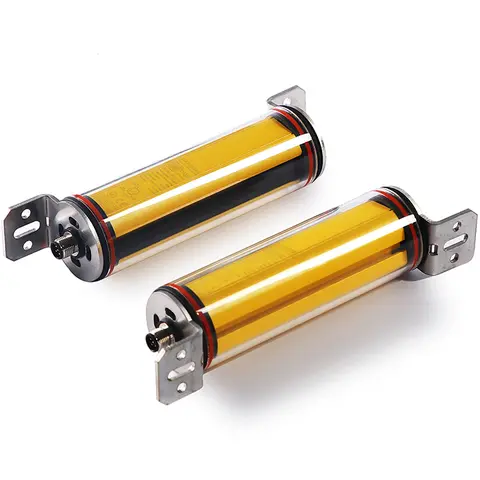
Waterproof safety light curtain for washdown, splash and humid production areas: IP65 as standard, with an IP68 waterproof-enclosure special-order upgrade (DQRF), 7 beam pitches from 10 to 80 mm across 4-32 beams, response time <=15 ms, and NPN/PNP transistor output. Designed to the Type 4 architecture of IEC 61496 and Category 4 of ISO 13849-1.
DQSA Area Protection Light Curtain
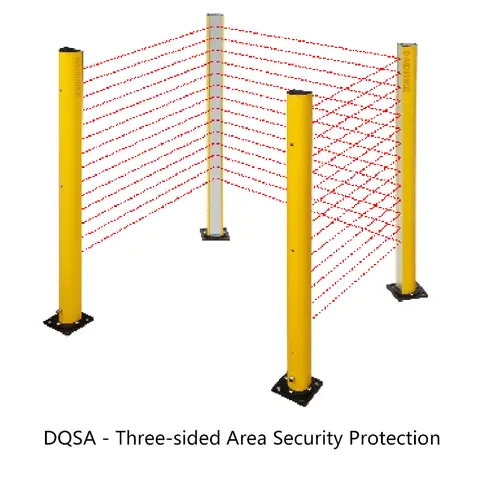
One emitter/receiver pair and passive mirrors fold the beam around 2-4 sides of a danger zone -- built to a Category 4 / Type 4 design basis (IEC 61496-1/2, EN 61496-3:2019, EN ISO 13849-1:2015 Cat 4 PLd); certification documents available on request.
DQT Long-distance Safety Light Curtain (Large Beam Count)
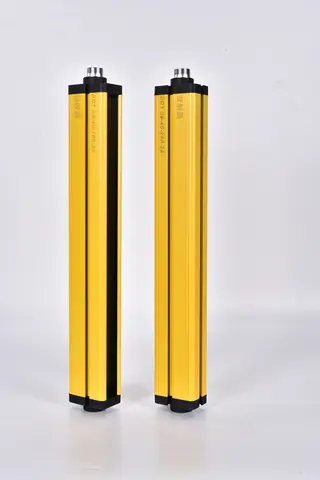
Long-distance, large-beam-count through-beam safety light curtain: up to 72 beam axes and protected heights near 2900 mm, in 4 pitches (10/20/40/80 mm), with sensing distance selectable up to 0.3-40 m and NPN, PNP or relay output. Designed to the Type 4 architecture of IEC 61496 and Category 4 of ISO 13849-1.
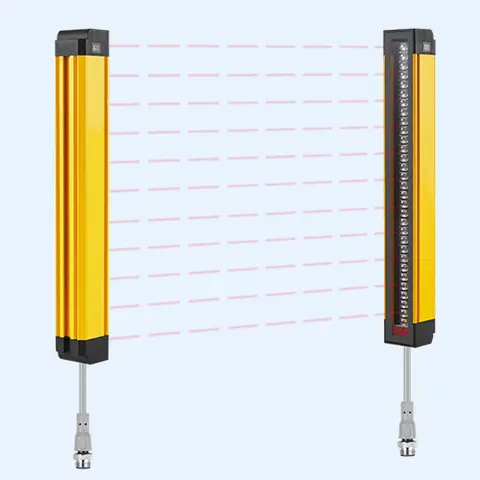
DQT4 Type-4 Safety Light Curtain
Type-4-design safety light curtain in three beam-pitch grades — 7.5, 15 and 30 mm — reaching a 14 mm detection accuracy at the finest pitch, with protective heights from 90 mm to 5970 mm.
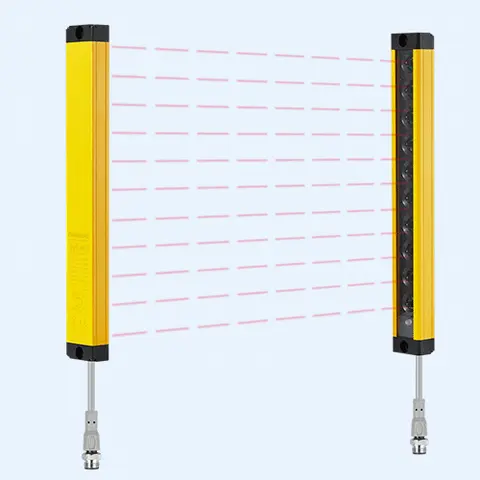
DQZ Ultra-thin (Front-emitting) Safety Light Curtain
Ultra-thin, front-emitting safety light curtain, 17.2 x 30 mm in cross-section, that mounts flush in slots too narrow for standard-body units: 7 beam pitches (10-80 mm), 0.3-3 m sensing distance, NPN/PNP output. Designed to the Type 4 architecture of IEC 61496-1/-2/-3 and Category 4 (PLd) of EN ISO 13849-1:2015.
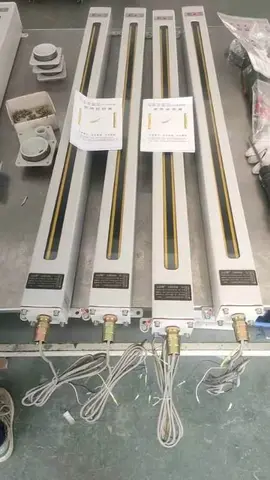
Explosion-proof Safety Light Curtain (Custom / FB Series)
Custom Ex-rated housing built around your existing DAIDISIKE light curtain for hazardous-area machine guarding.
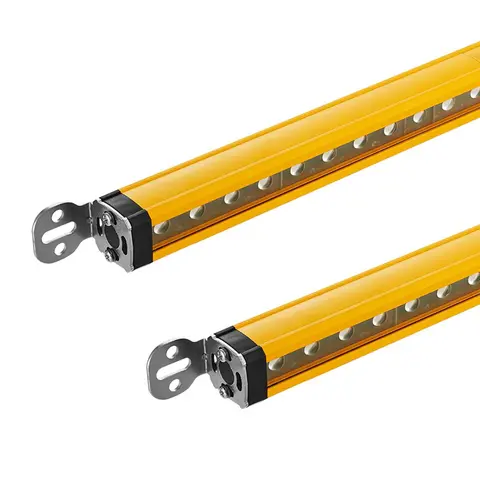
JER Economical Safety Light Curtain (Optical Synchronization)
Economical through-beam safety light curtain using optical synchronization (no interconnecting sync cable between transmitter and receiver), in 4 beam pitches (10, 14, 20 and 40 mm) with up to 200 beams and a protected height up to 7960 mm. NPN/PNP transistor output, DC12/24V supply, IP65 housing.
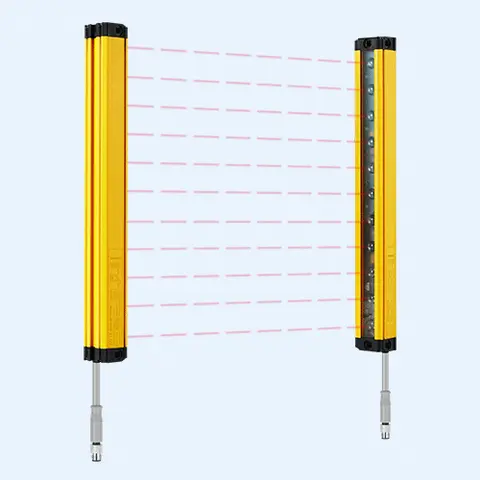
MK Mini Economical Safety Light Curtain
Economical mini safety light curtain in a 25 x 23 mm housing: four beam pitches (10/14/20/40 mm), 8 to 200 beams, protected height to 7960 mm, NPN/PNP transistor output and response time <=15 ms. Designed to the safety levels of IEC 61496-1/-2.
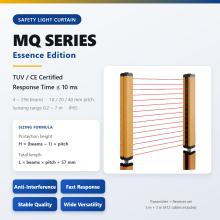
MQ Essence Edition Safety Light Curtain
TUV/CE-certified through-beam pair in a 29 × 30 mm profile — optical synchronisation with no wire between TX and RX, ≤ 10 ms response, 4–256 beams.
Keep the Selection Checks in Order
Establish the intended function and exact-model safety evidence first, then compare documented detection capability, field height and access routes, interface and span, and environmental and mounting limits. The light-curtain selection guide expands these checks; keep the chosen model code with its manual and drawing.
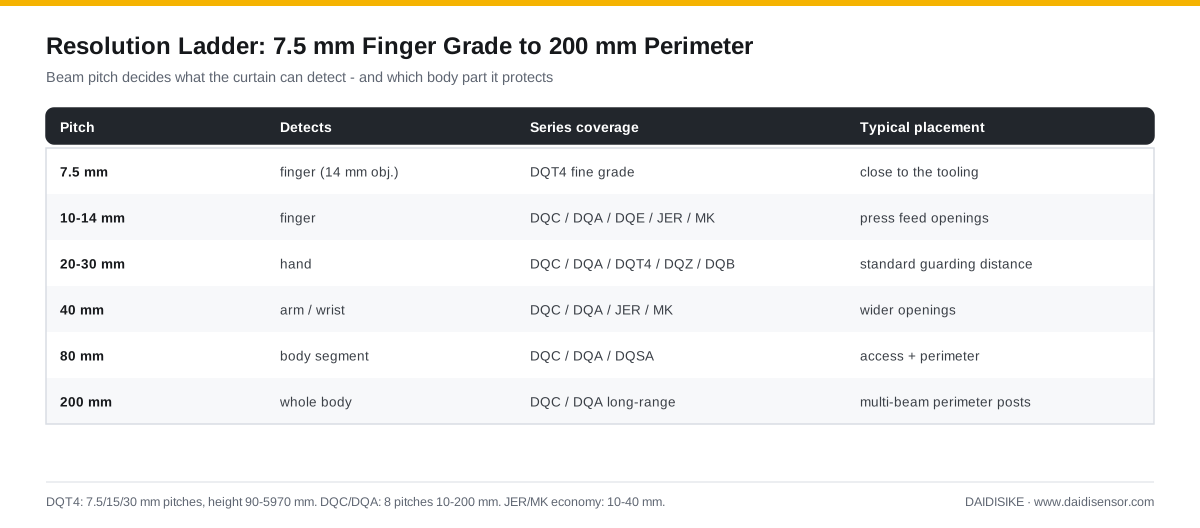
Compare Beam Pitch and Verified Detection Capability Separately
Beam pitch is the distance between adjacent optical axes. Detection capability is the smallest object the selected configuration is specified to detect. They are not interchangeable: DQT4 lists 7.5 mm pitch with 14 mm detection, while DQC lists 10 mm pitch with 18 mm detection. Never enter pitch in a safety-distance calculation that calls for object detection capability.
Use the product specification for the exact pitch, beam count and field height. Do not infer finger protection from a 10 mm pitch, or use the category table as proof of the complete machine safety function.
| Configuration to check | Beam pitch | Published detection capability | Purchase check |
|---|---|---|---|
| DQT4 fine-pitch option | 7.5 mm | 14 mm | Exact model, field height, output and applicable documentation |
| DQT4 other pitches | 15 / 30 mm | 21 / 36 mm respectively | Do not substitute pitch for detection capability |
| DQC fine-pitch options | 10 / 14 mm | 18 / 22 mm respectively | These figures do not establish 14 mm finger detection |
| MQ, JER, MK and other listed series | See exact order-code table | Verify the applicable model specification | Do not infer Type / PL or detection capability from directory membership |
Check Housing and End Coverage After the Safety Requirements
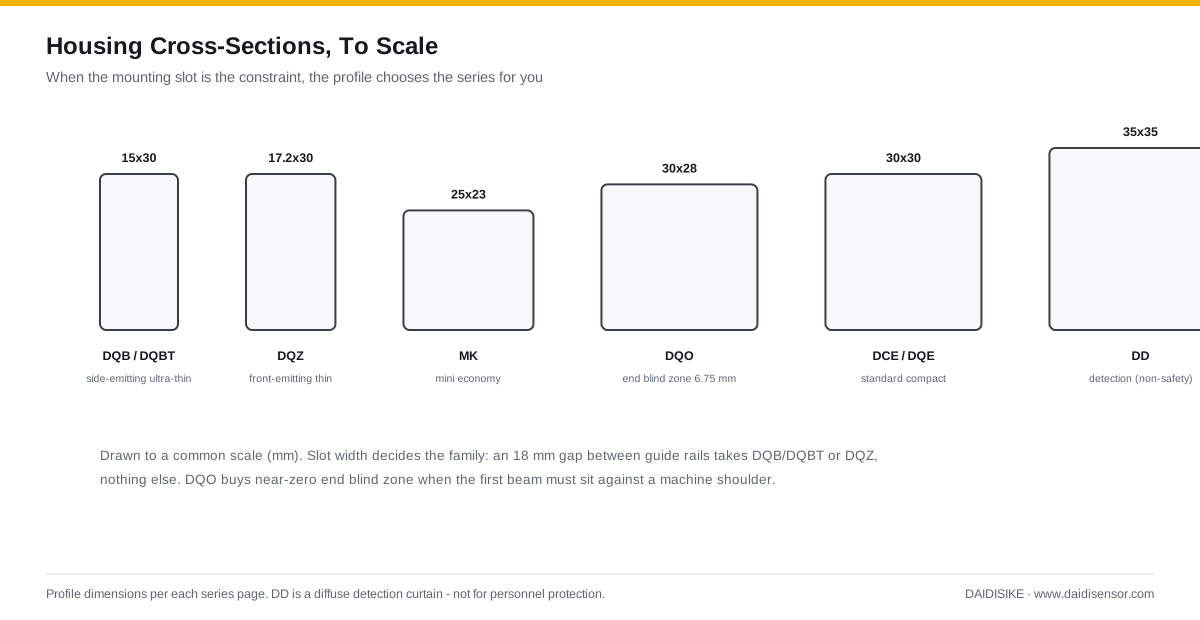
A retrofit mounting slot narrows the shortlist only after the required function, detection capability and safety evidence are satisfied. DQB and optically synchronised DQBT use a 15 × 30 mm side-emitting profile; DQZ uses a 17.2 × 30 mm front-emitting profile; MK uses a 25 × 23 mm body. The MQ Essence Edition lists optical synchronisation and a 29 × 30 mm body with M12 cable options. Confirm the actual bracket, connector clearance and cable-bend space rather than using the housing cross-section as the complete installation envelope.
DQO lists the first and last beams 6.75 mm from the housing ends. This end dimension does not prove that every reachable gap is protected: examine the housing ends, machine shoulder and approach routes together. The common-scale cross-sections below help compare mounting footprints; they do not establish a safety rating or a validated guard layout.
Pick by Span and Coverage: 3 m Standard to 40 m, and Mirror-Folded Perimeters
Standard optical ranges run 0.3–3 m or 0.3–6 m, which covers most feed openings. Long beds and transfer lines step up to the DQA and DQT long-range grades, whose detection-distance classes reach 0.3–40 m; the DQT additionally scales to 72 beams for tall access ways.
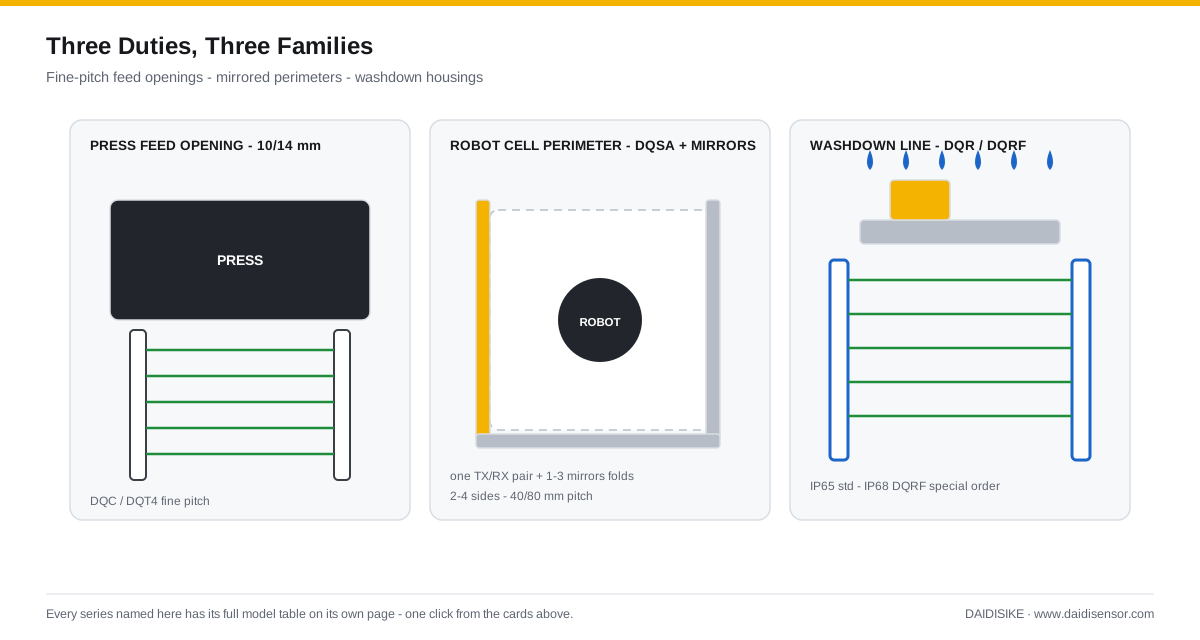
Perimeter work changes the geometry rather than the range: the DQSA area-protection system takes one transmitter/receiver pair plus one to three corner mirrors and folds the beams around two, three or four sides of a robot cell — protective heights to 3920 mm at 40 or 80 mm pitch, with one wiring point instead of four. For an industrial safety light curtain layout around a full cell, that mirror trick is routinely the difference between a tidy installation and a cable-tray project.
Harsh Environments: Waterproof and Explosion-Proof
DQR and DQRF provide different published ingress-protection options, but IP65 or IP68 alone is not approval for a cleaning process. State water pressure, temperature, chemicals, connector exposure and mounting conditions when requesting the exact configuration. For an FB special-order enclosure, provide the hazardous-area classification and request the applicable evidence for the complete assembled configuration; an enclosure alone does not establish personnel-protection or explosion-protection approval for every optical core.
Outputs and Getting Into the Stop Circuit
NPN, PNP, relay contacts and OSSD are not interchangeable labels. Output arrangements, test pulses, supply and current limits vary by configuration. The light-curtain selection guide identifies what to request before comparing models; use the exact manual for the electrical connection.
For a safety function, compare the field device with the safety relay modules or an appropriate safety controller. Check input type, pulse compatibility, reset and external-device monitoring requirements at system level. Neither a shared brand nor a directory link proves that two devices form a validated combination.
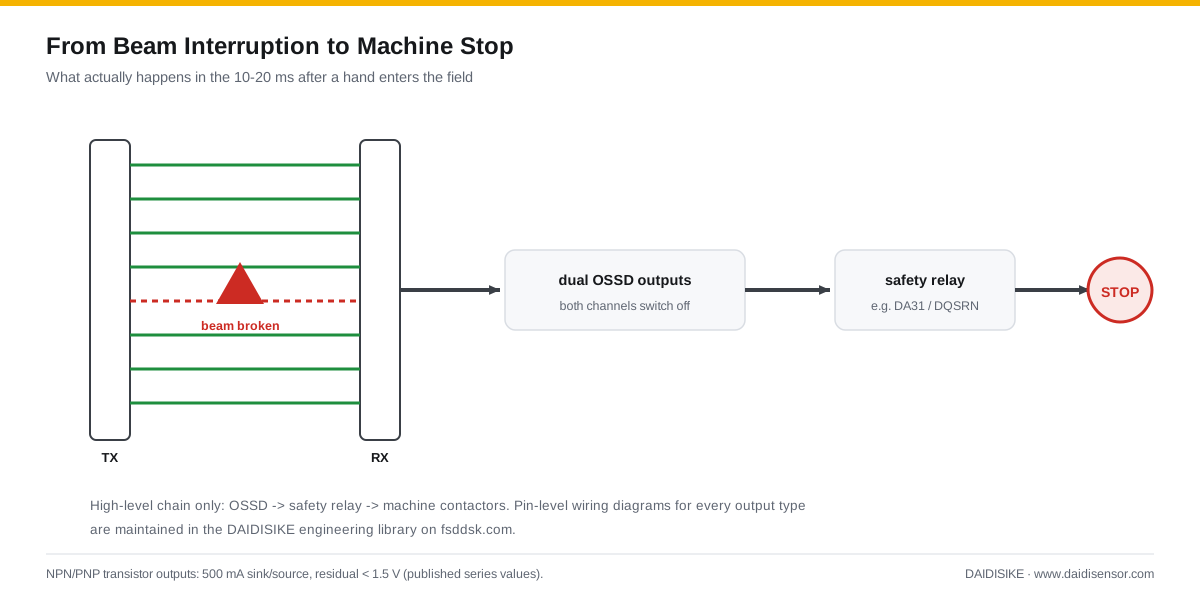
Full wiring diagrams for every output type — including channel-by-channel drawings and reset options — are maintained in the DAIDISIKE engineering library on fsddsk.com; this page deliberately stays above pin level.
Type Ratings, Stated Honestly
There is no category-wide Type 4 guarantee. Compare the exact model and output configuration against its applicable instructions, declaration and certificate scope. A design-description sentence is not a substitute for that evidence. MQ, JER and MK must not inherit a rating from neighbouring products; DD and DDOF remain detection-only.
Keep the required safety function separate from your procurement evidence. The Type 2 and Type 4 guide explains which model-specific documents and output details to request without assigning a rating from price or housing size.
Safety, Measuring, or Press-Brake? Don't Buy the Wrong Family
Light curtains may look similar while performing different jobs. Measuring light curtains provide process measurements or object detection and are not personnel-protection substitutes. This directory retains a clearly identified DD/DDOF detection-only family for existing visitors; select a safety-rated configuration when safeguarding people.
For press tooling, review the press and press-brake protection options with the machine integrator. A fixed light curtain and ram-mounted laser protection address different layouts; suitability depends on the machine, task, stopping performance and applicable safety requirements, not an unconditional rule that one can never be used. The press-guarding procurement checklist explains access routes, the complete stopping chain and the information still needed before final validation.
Send the machine task, opening dimensions, required detection capability, controller details and requested evidence through the inquiry form. Confirm the complete pair, cables and brackets on the quotation.
Frequently Asked Questions
What is a safety light curtain and how does it work?
A safety light curtain uses an emitter and receiver to monitor a protective field. Interruption changes its safety outputs; a suitable control system and machine stopping elements perform the protective stop. Model-specific documentation and complete-machine validation are necessary.
What is the difference between a light curtain sensor and a safety light curtain?
Construction is similar; duty is not. Detection and measuring grids report data and carry no safety rating — ours live in the measuring light curtain category. A safety light curtain is engineered for personnel protection with self-monitored safety outputs and is the only kind that belongs in a protective stop circuit.
How is the price of a safety light curtain determined?
Compare field height, operating span, verified detection capability, output version, housing, cables, brackets and order quantity. Pitch and detection capability are separate specification fields. Request a quotation for a complete configuration rather than assuming one price covers every option.
What HS code do safety light curtains ship under?
Tariff classification varies with the destination country's schedule, so we do not print a single code here. The commercial invoice and packing documents we issue carry the classification our export declarations use, and we can provide it before you order so your broker can pre-confirm the import side.
Which series should I look at first?
Start with the required function and supporting documentation. Then compare DQC or MQ for their listed mechanical and electrical options, DQT4 for its documented detection configurations, DQB/DQZ for narrow housings, DQA/DQT for span options, and DQSA for mirror layouts. JER/MK/MQ need model-specific rating verification; DD/DDOF are not personnel-protection devices.
Safety Light Curtains in Action — 10 Demonstration Videos
Wiring, setup and live operation filmed on the actual modules. Each clip links back to the series it demonstrates, so you can go straight from footage to specification.
Installing a Safety Light Curtain on a Punch Press — Mounting, Alignment & Test
Punch-press safety-light-curtain application demonstration for discussing mounting, alignment and the complete stopping function. Related product links are options to compare, not identification of the installed model. The clip does not establish measured stopping performance or a completed safety acceptance.
Related: DQC general-purpose safety light curtain · Press photoelectric safety guard
Finger-Protection Light Curtain with Fine Beam Pitch for Small Press Openings
Fine-resolution safety light curtain demonstrated on a narrow die opening where finger access is the hazard. Relevant when your risk assessment calls for 14 mm detection capability rather than hand or body resolution.
Related: DQT4 Type 4 safety light curtain (7.5/15/30 mm pitch)
Pre-Wired Safety Light Curtain Kit with Aviation Connectors — Unbox to Hook-Up
A DQA safety light curtain set shipped pre-wired with M12-style aviation plugs: what arrives in the box and how quickly the emitter, receiver and cabling connect. Useful for machine builders estimating installation time per press.
Zero Blind-Zone Safety Light Curtain — Protection Right to the Housing End
The DQO design places the first beam only millimetres from the end cap, closing the unprotected gap that standard curtains leave at top and bottom. Shown on a fixture where the workpiece sits close to the curtain end.
Waterproof Safety Light Curtain for Washdown & Outdoor Machinery (IP65 / IP68 Option)
DQR/DQRF waterproof safety light curtain running in a wet environment. Applies to food-processing washdown lines, coolant-heavy machining and semi-outdoor gates where a standard IP65 housing is not enough.
Robot Cell Perimeter Guarding with Infrared Safety Light Curtains
Robot-cell light-curtain application demonstration for discussing access points, material flow and the protective-function interface. It is not evidence of a particular customer installation, installed model, measured response or validated safety distance; related products are selection options.
Related: DQSA area-protection light curtain
Multi-Zone Area Protection Around Machines & Conveyors
A DQSA multi-area light curtain monitoring several zones around a machine and its conveyor infeed. Demonstrates zone-based protection where material must pass but people must not.
Related: DQSA area-protection light curtain
Diffuse-Reflection Light Curtain for Part Counting & Edge Detection
A single-sided diffuse-reflection curtain counting parts and picking up workpiece edges — no separate receiver bar to align. Fits stations where only one side of the opening is available for mounting.
3D Animation: How Light Curtains, Door Locks, Safety Mats & LiDAR Guard a Machine
A three-minute animated tour of a guarded machine: safety light curtains at the opening, guard-locking switches on the doors, pressure-sensitive mats on the floor and a laser scanner watching the approach zone — and how each one feeds the stop circuit.
Related: Safety light curtain range · Safety mats
Coil-Fed Punch Press Line — Automatic Feeding Into the Die
Coil stock feeding automatically into a punch press. On coil-fed stamping lines like this, operators only intervene for setup and jams — which is exactly when interlocked guarding and light curtains have to take over.
Related: Safety light curtains for presses
Selection Help & Related
📘 Not sure which series? How to Choose a Safety Light Curtain · Type 2 vs Type 4 Safety Light Curtains